Potassium in Rivers: what is it and where does it come from?

Barely a day has gone by since the COVID-19 pandemic without river pollution being a news headline. Most of the headlines focus on the issues of excess effluent entering rivers. While a serious issue, this is not the only source of river pollution, nor is there a lot of detail about what river pollutants actually are, what their effects are and what safe levels would be.


What is it and where does it come from?

Potassium is a naturally occurring element critical for biological processes, required for photosynthesis in plants and muscle function among other things in animals. It is one of the three essential macronutrients for life, alongside nitrogen and phosphorus. The least common cation in river water, it is typically released from silicate minerals like potassium feldspar and mica with the biggest fluxes from leaching and erosion of dissolved potassium present in soils and groundwater regions with potassium-rich geology.

Fertilisers containing potassium are also widely used in farming and excessive concentrations in irrigation water can disrupt soil nutrient balance and affect plant health. Domestic and industrial effluents from wastewater and sewage often contain potassium compounds, including industrial processes that release potassium salts into waterways. It is these human activities that are the main drivers of increased potassium levels in rivers.
 

Potassium in Rivers: what is it and where does it come from? | Essex Rivers Hub

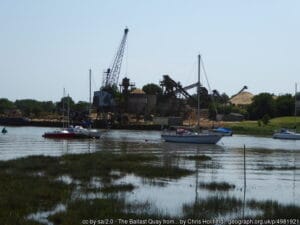
Ballast Quay, Wivenhoe by Chris Holifield


What is the problem?

Although potassium is essential for ecosystems, imbalances or excess concentrations can disrupt river chemistry and affect aquatic life; elevated potassium levels often indicate a broader nutrient pollution, contributing to water quality decline and ecosystem stress.

Unlike nitrogen and phosphorus, potassium is rarely the limiting nutrient for algae growth, meaning it doesn’t directly trigger algal blooms or ‘dead zones’ in the same way, and much of the potassium entering rivers is quickly absorbed by soils and plants, reducing its immediate impact in comparison to other nutrients.

The problems potassium does pose in rivers is in altering the water chemistry. Elevated potassium levels can change the ionic balance of rivers, which can affect the solubility of other nutrients and metals, influencing overall water quality. High potassium concentrations can also be toxic to some freshwater organisms, particularly invertebrates and fish, interfering with their cellular ion regulation. There has also been evidence from major rivers across the world, such as the Yangtze and Amazon, that suggests increased potassium loads caused by human activity are contributing to long-term shifts in river health.


In summary, although potassium pollution doesn’t usually result in the dramatic effects of algal blooms, it can still cause harm to aquatic ecosystems by altering water chemistry and stressing wildlife. Its presence often points to wider nutrient pollution from agriculture and wastewater, making it an important indicator of river health.
Get Involved Today

Find out about the latest volunteer opportunities and explore our hub of resources.

Related Stories

Pressures

The topics below represent the pressures that many waterbodies in the Combined Essex catchment face. They have been divided into six main categories, but it is quite often that these categories can overlap as pressures relate to each other.

Diffuse Pollution

Diffuse pollution occurs as water moves across the land or through the ground and picks pollutants. These pollutants can come from a variety of places, including urban and field run off. The pollutants that enter the river can range from sediment to toxins to excess nutrients, meaning that diffuse pollution can cause a whole range of different issues. The variety in these pressure groups means that it is something that can be quite difficult to tackle. It requires groups of people, business and stakeholders to work together in order to solve this problem.

Fish Passage

Fish should be able to travel up and down a river freely, allowing them to move and breed in the most suitable habitats for them. It is important that fish populations do not become isolated, as this makes them more susceptible to disease and puts pressure on their survival. Unfortunately, there are often many barriers along rivers that prevent fish from being able to migrate up and down stream. Where barriers have been identified, they will be seen as a ‘pressure’ on a waterbody. Thankfully, there are many solutions now that can be put in place to aid fish passage, even over large barriers.

Flow

The flow in a river can vary greatly throughout the year as rainfall and run off can have an effect. This is a natural process. It is when flow is impacted by non-natural processes that it can cause problems. Sometimes, water can be intercepted or removed from a system; this will reduce the flow, therefore changing the habitat conditions. Some species are happy in high energy rivers. This means that when flow is reduced, these species will no longer survive. The opposite of this can occur when excess water is entering a river, for example through increased runoff. Low energy systems then become high energy and displace the species that live there.

Invasive Species

A species that is not meant to be found in a particular area is known as an invasive species. Invasive species can be from a different habitat or a different country altogether. Most of the invasive species that we find on our rivers have come from other countries – plants that people have imported for their gardens or animals that have been released for food or by animal rights activists. Control of invasive species requires a lot of time and effort. We are fortunate that we do have a range of methods to manage most of the invasive species that cause havoc on our rivers, but there are still some which we are still struggling to control.

Physical Modification

Many of our rivers have been heavily modified over the years as rivers have been used for a wide range of purposes. Physical modification is one of the biggest factors that causes our rivers to be unhealthy. The issues that it can cause range from reducing habitat, preventing migration of mobile species, and even have an effect on the water quality. Where structures and modifications are no longer in use or necessary, they should be removed to allow the river to regain its natural state. Unfortunately, this action is not always taken which means that many of our rivers are over straightened and contain redundant structures. It is possible to return a lot of our rivers to their natural state, through one off projects, but in other cases it is not possible as the river has been changed to protect assets or manage flooding. It is recognised that some modifications cannot be removed without having severe negative impacts both socially and economically.

Point Source

This is pollution that comes from a single identifiable source. The pollution entering the river could include a whole range of pollutants. Some point source pollution is known about and licences, for example sewage treatment works. Other sources are not licensed, and therefore work needs to be done with landowners to fix the problems that are allowing the pollution to enter the river. Point source pollution is more easily controlled than diffuse pollution as it often only takes one management approach to solve the issue.