Rivers have become a regular feature in news headlines about the environment as they face a wide range of pressures from human activity. While wastewater often dominates these headlines, it represents only one part of a much bigger picture. Our rivers can be affected by many different pollutants, each with its own sources, behaviours and potential impacts on wildlife and people. Understanding what these pollutants are, how they enter our waterways, and what levels are considered safe is an important step in protecting and restoring healthy river ecosystems.
What is it and where does it come from?
Heavy metals are one of the most persistent and challenging pollutants affecting rivers across England. Heavy metals are naturally occurring elements with a high atomic weight and density with the most common examples contaminating river systems including:
- Lead (Pb)
- Cadmium (Cd)
- Zinc (Zn)
- Copper (Cu)
They occur naturally in soils and rocks, but human activity has significantly increased their concentrations in many environments.
Despite the lack of large abandoned metal mines that dominate pollution sources in the northern and western parts of the country, much of the combined Essex catchment area is still influenced by diffuse and point-source inputs of metals such as zinc, copper, lead and cadmium. These pollutants enter waterways through urban runoff, historic industrial activity, wastewater discharge and agricultural inputs, including fertilisers and livestock treatments.
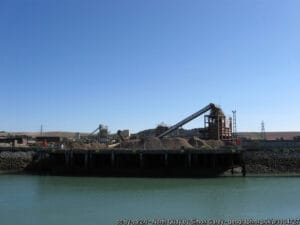
North Quay – Denton Island, Newhaven by Simon Carey
What is the problem?
Heavy metals in rivers pose a significant ecological risk because they do not degrade over time. Once in the environment, they can accumulate in sediments and within the tissues of aquatic organisms. Even at low concentrations, heavy metals such as copper and zinc can impair the health of freshwater invertebrates, which form the foundation of river food webs. These heavy metals can then build up in organisms over time, moving up the food chain and affecting fish, birds and mammals. And once heavy metals reach riverbed sediments, they can persist for decades with disturbances during storms and dredging re-releasing them into the water column and causing recurring pollution spikes.
When heavy metals interact with other river pollutants, such as nutrients, hydrocarbons or low dissolved oxygen, there is a combined pressure effect, which further compounds the ecological stress. The pollution caused by heavy metals can also prevent waterbodies from meeting Water Framework Directive targets, restricting a river from achieving good ecological status.
The pressure of heavy metal pollution in rivers is particularly strong in urbanised tributaries, areas with historic industrial land use, areas downstream of wastewater treatment works and sediment-rich lowland rivers where legacy contaminants can accumulate.
Catchment-scale restoration, including natural flood management, wetland creation, sediment trapping and improved urban runoff management, can help reduce the inputs of heavy metals and protect sensitive species. Understanding the sources and behaviour of these heavy metals is essential for designing effective interventions. To support ongoing restoration efforts, continued monitoring, partnership working, and nature‑based solutions will be key to reducing metal loads and improving river health.